culture
‘Zzemen’, ‘4buçço’: cómo el ‘algospeak’ se convirtió en la salvación para hablar de abuso sexual en redes
By Belén Remacha El País
· July 5, 2026
· 1 min read
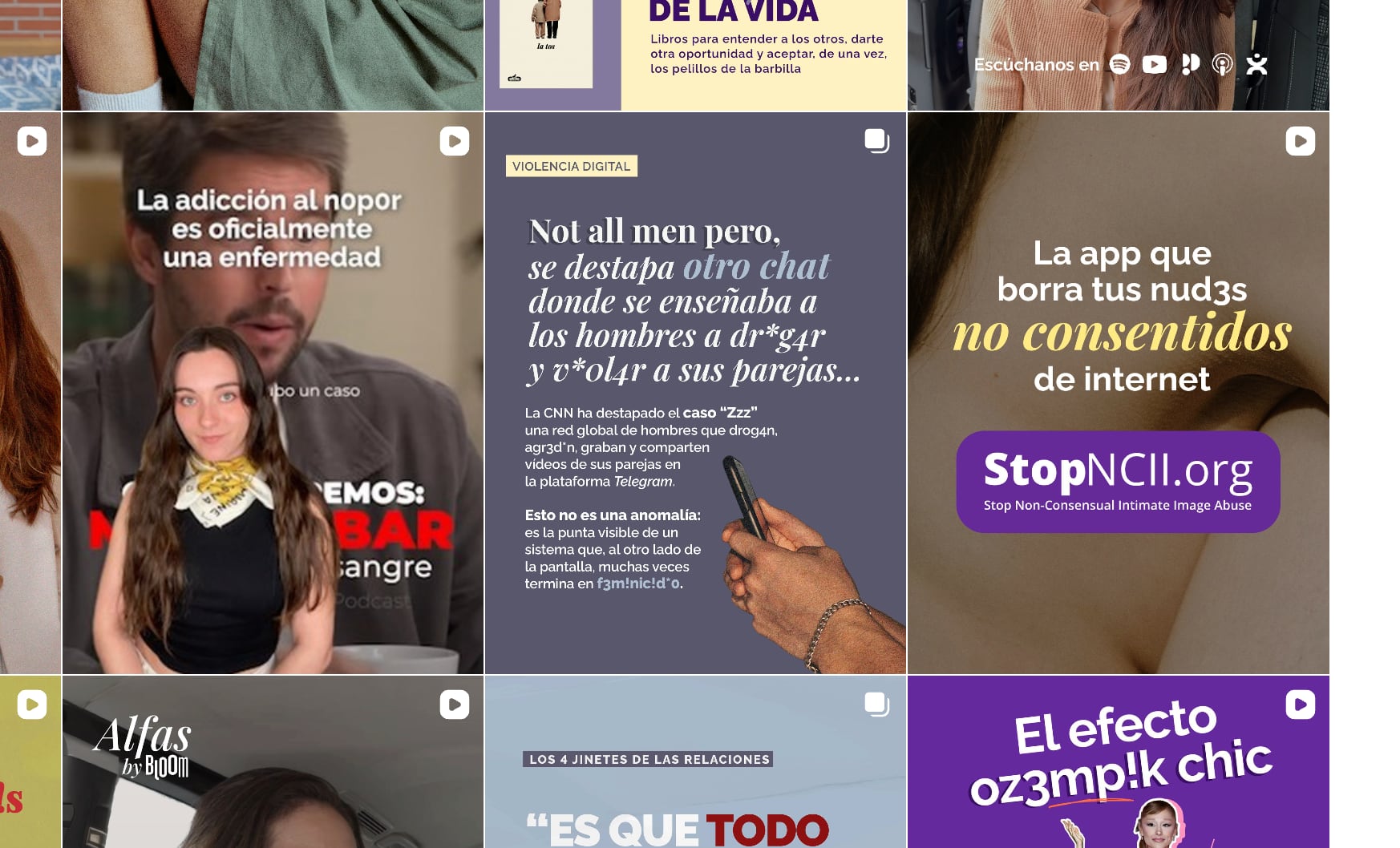
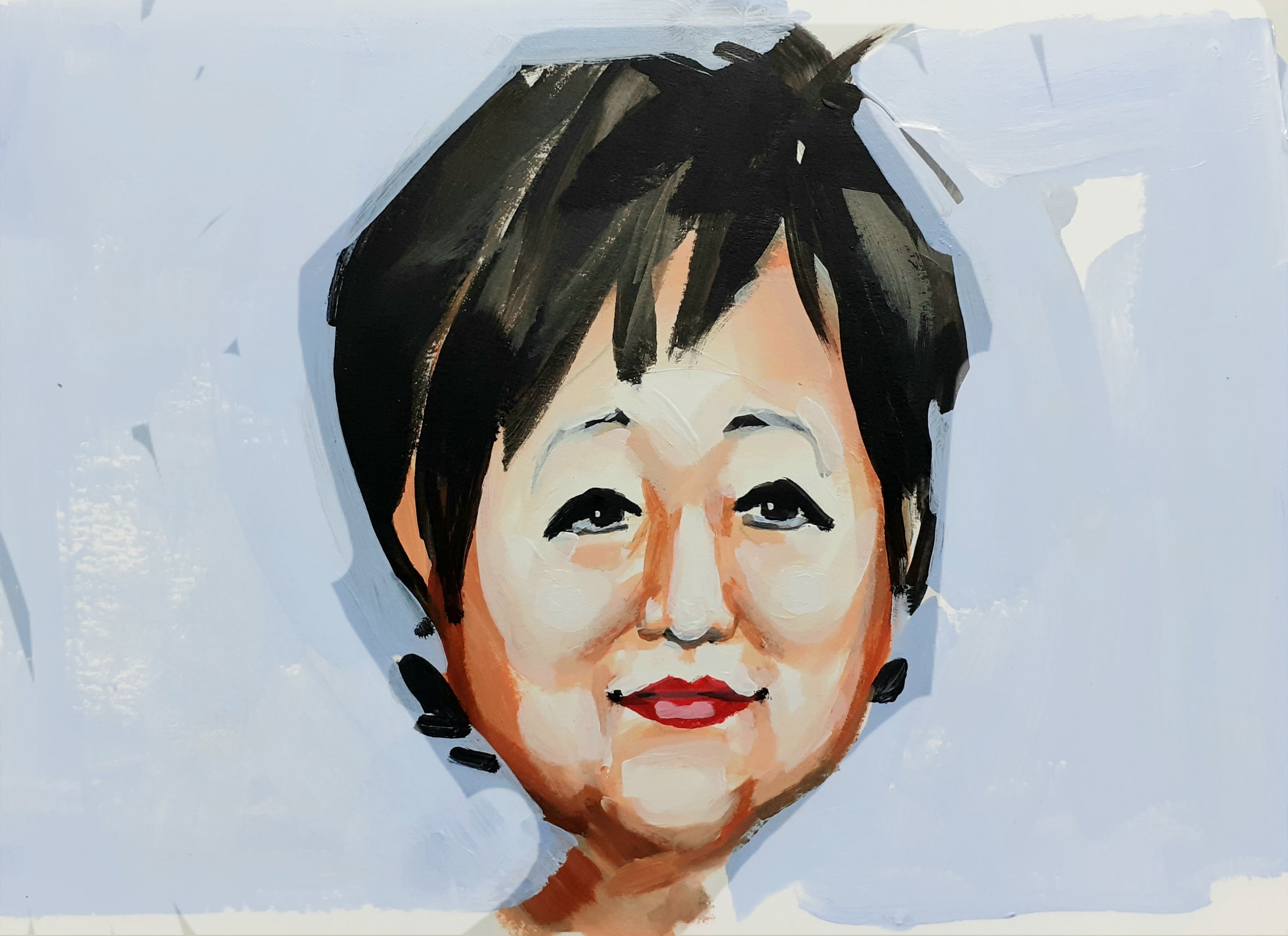
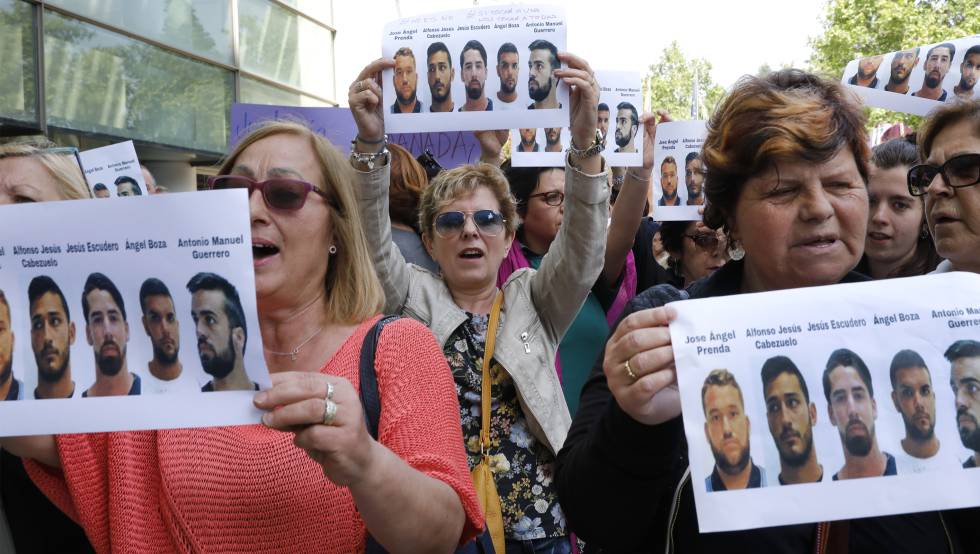
<img src="https://imagenes.elpais.com/resizer/v2/6OGU53YGRVDUPJO5E7WWAIPOCQ.png?auth=8fe53034d1e2be2882e64d600d0cc8596762feb112f88ee6ca3ca7c0f4a370ff" width="1746" height="1058" alt="."></img><p>“Hay gente <i>3y4cnl4nd </i>sobre fotos de mujeres: <i>4buçço</i> digital con “<i>zz3m3n images</i>“.<...
Key takeaway auth=8fe53034d1e2be2882e64d600d0cc8596762feb112f88ee6ca3ca7c0f4a370ff" width="1746" height="1058" alt=".
Nuestro análisis
La utilización del "algospeak" como medio para hablar sobre abuso sexual en redes sociales refleja la creatividad y la determinación de las mujeres latinas y la comunidad hispana y latina para abordar temas delicados en un entorno digital cada vez más restrictivo. El uso de términos como "zzemen" y "4buçço" permite a las personas compartir experiencias y denunciar situaciones de abuso sin ser detectadas por los algoritmos de moderación, lo que a su vez facilita la creación de comunidades de apoyo y solidaridad en línea. Esta tendencia también pone de relieve la necesidad de que las plataformas de redes sociales sean más sensibles a las necesidades de las comunidades marginadas y desarrollen herramientas más efectivas para combatir el abuso y la violencia en línea. La forma en que se aborda este tema en el futuro puede tener un impacto significativo en la seguridad y el bienestar de las mujeres latinas y la comunidad hispana y latina en el espacio digital.
Sobre esta historia
Original reporting by El País . Latinas Media surfaces reporting from trusted publishers and adds local editorial context so readers can quickly understand what a story means for their community. We attribute every source, link to the original report, and follow a documented editorial standards policy. To understand how stories are selected and reviewed, read our about page .
For the complete original report, visit El País . Have a tip or correction? Contact our newsroom .
Category: culture Published: July 5, 2026 Source: El País Reading time: 1 min
Get more Latinas Media stories like this
Free weekly briefing covering culture and other local news. Curated by our editorial team. No spam.
By subscribing you agree to our privacy policy . Unsubscribe anytime.
Frequently asked about this story
What is this story about? <img src="https://imagenes.elpais.com/resizer/v2/6OGU53YGRVDUPJO5E7WWAIPOCQ.png?auth=8fe53034d1e2be2882e64d600d0cc8596762feb112f88ee6ca3ca7c0f4a370ff" width="1746" height="1058" alt="."></img><p>“Hay gente <i>3y4cnl4nd </i>sobre fotos de mujeres: <i>4buçço</i> digital con “<i>zz3m3n images</i>“.<...
When was this published? This article was first published on July 5, 2026 by El País and curated for Latinas Media readers.
Who reported this story? This story was reported by Belén Remacha at El País. To learn more about how Latinas Media selects and reviews stories, see our editorial standards .
Where can I find related coverage? See more culture coverage from Latinas Media, or browse our daily briefing and topic hubs .
← Back to all news
More culture →
Today’s briefing
Subscribe to newsletter