culture
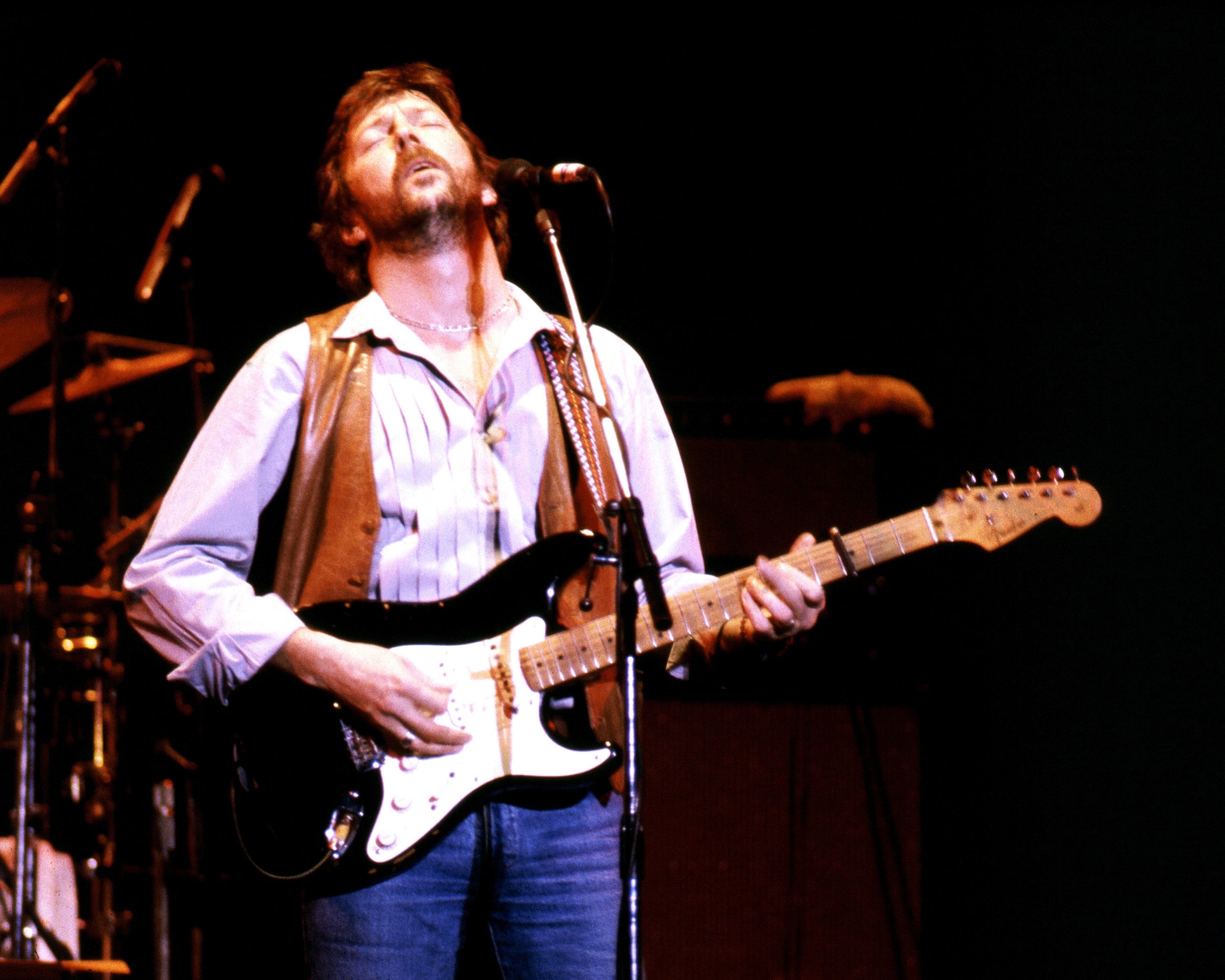
“Si hay algún extranjero en mi concierto, que se vaya”: las palabras racistas de Eric Clapton que cambiaron el rock británico
Summary by Latinas Media Editorial Desk David Saavedra , as published by El País
· July 28, 2026
· 1 min read
Photo: El País · view original
Story provenance No corrections
Summary created by Latinas Media Editorial Desk — automated, rule-governed Byline on source page David Saavedra, as published by El País Original story Read at the source Source published Jul 28, 2026 Indexed here Jul 28, 2026 AI assistance Automated summary drawn from the source’s own published text Prepublication human review No — editorial rules, flagged-item review, and published samples
Every story comes with a passport. How we work · Corrections log
Key takeaway El partido ultraderechista National Front ganaba popularidad, obteniendo un significativo porcentaje de votos en la ciudad de Blackburn.
En el verano de 1976, el Reino Unido experimentaba un clima de odio creciente. El partido ultraderechista National Front ganaba popularidad, obteniendo un significativo porcentaje de votos en la ciudad de Blackburn. La violencia racista se estaba volviendo cada vez más común en las calles.
Durante un concierto en Birmingham, el músico Eric Clapton pronunció un discurso polémico en apoyo al líder fascista Enoch Powell. Algunos atribuyen sus palabras a su adicción a sustancias y alcohol, según relató el propio Clapton en sus memorias y entrevistas. Para obtener más información sobre este incidente y su impacto en el rock británico, se puede consultar la fuente original.
Allí se proporcionan más detalles sobre el contexto y las circunstancias que rodearon el discurso de Clapton.
Por qué importa
Las noticias conectan a los lectores con su comunidad: las personas, los lugares y las decisiones que dan forma a la vida cotidiana. Latinas Media cubre estas historias para la comunidad latina porque los grandes medios a menudo no lo hacen.
Sobre esta historia
As published by El País . Latinas Media surfaces reporting from trusted publishers and adds local editorial context so readers can quickly understand what a story means for their community. We attribute every source, link to the original report, and follow a documented editorial standards policy. To understand how stories are selected and reviewed, read our about page .
For the complete original report, visit El País . Have a tip or correction? Contact our newsroom .
Category: culture Published: July 28, 2026 Source: El País Reading time: 1 min
Get more Latinas Media stories like this
Free weekly briefing covering culture and other local news. Curated by our editorial team. No spam.
By subscribing you agree to our privacy policy . Unsubscribe anytime.
Frequently asked about this story
What is this story about? En el verano de 1976, el Reino Unido experimentaba un clima de odio creciente. El partido ultraderechista National Front ganaba popularidad, obteniendo un significativo porcentaje de votos en la…
When was this published? This article was first published on July 28, 2026 by El País and curated for Latinas Media readers.
Who reported this story? This story was reported by David Saavedra at El País. To learn more about how Latinas Media selects and reviews stories, see our editorial standards .
Where can I find related coverage? See more culture coverage from Latinas Media, or browse our daily briefing and topic hubs .
← Back to all news
More culture →
Today’s briefing
Subscribe to newsletter
Local information