culture
De vivir en el barrio más pobre de España a estudiar ingeniería o derecho: el camino de Iye y Osa, de origen nigeriano, contra todo pronóstico
By Eva Saiz Escolano El País
· June 9, 2026
· 1 min read
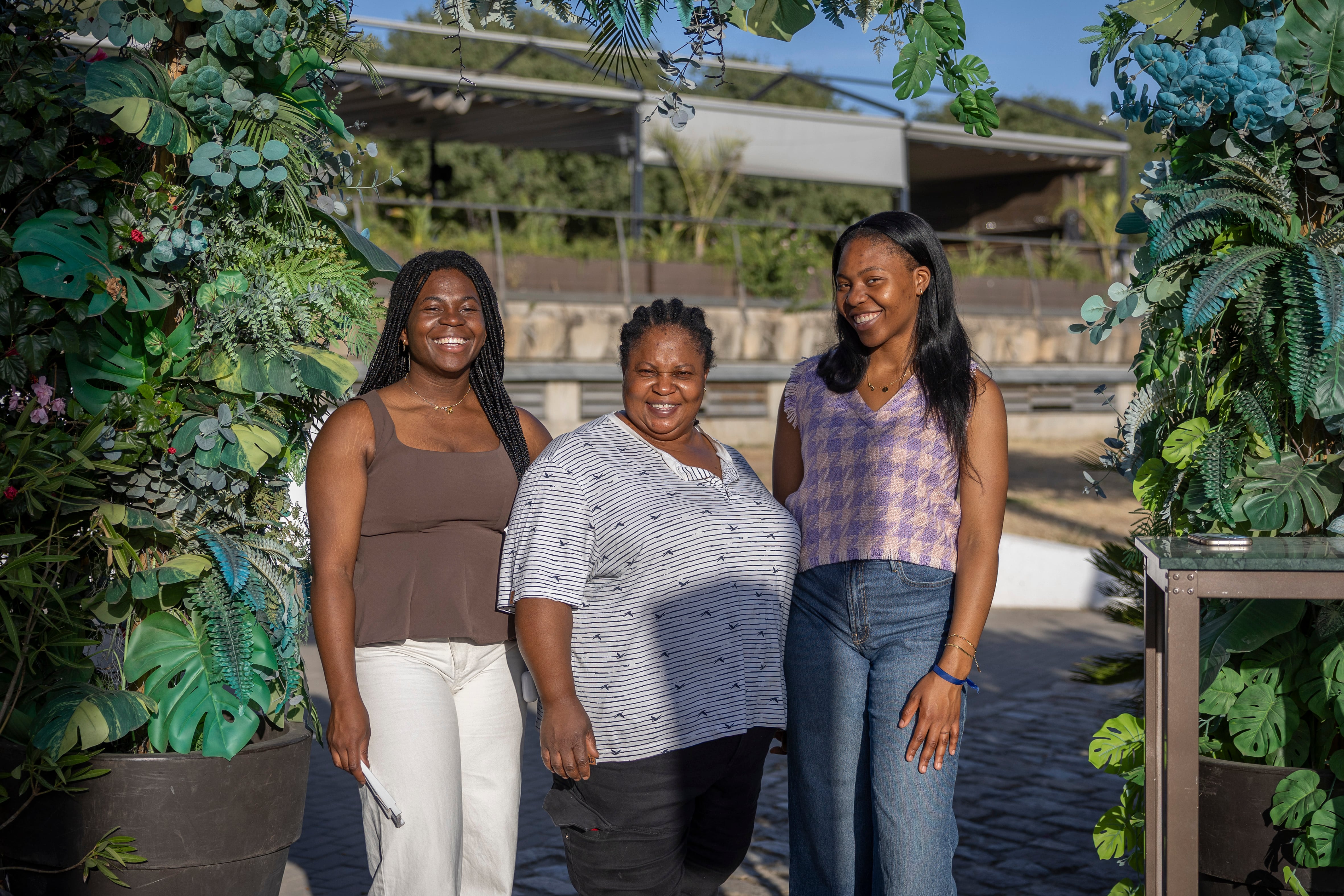
<img src="https://imagenes.elpais.com/resizer/v2/KW2TMV3ODZGBFHOOGIJX3USZWQ.jpg?auth=0aaa370eb78be1d9a774de2c5acffdbd737cacfb0285a0bcededfb6671cd0b20" width="4724" height="3151" alt="María Moses (c), junto a sus hijas Osa (i) e Iyen (d), este jueves en Sevilla."></img><p>Si te llamas Osasuwen o I...
Key takeaway auth=0aaa370eb78be1d9a774de2c5acffdbd737cacfb0285a0bcededfb6671cd0b20" width="4724" height="3151" alt="María Moses (c), junto a sus hijas Osa (i) e Iyen (d), este jueves en Sevilla.
Nuestro análisis
La historia de Iye y Osa, dos jóvenes de origen nigeriano que han logrado superar las barreras de la pobreza y el estigma social en el barrio más pobre de España, es un ejemplo inspirador de cómo la educación puede ser un factor clave para romper el ciclo de la exclusión. La determinación de su madre, María Moses, de brindarles una educación de calidad a pesar de los obstáculos, ha permitido que estas jóvenes puedan acceder a carreras universitarias como Ingeniería y Derecho, campos tradicionalmente dominados por personas de mayor poder adquisitivo y con menos barreras sociales. Esto pone de relieve la importancia de políticas y programas que apoyen a las comunidades vulnerables y promuevan la igualdad de oportunidades en el acceso a la educación superior. La perseverancia y el éxito de Iye y Osa pueden servir como un modelo a seguir para otras jóvenes que se enfrentan a desafíos similares, demostrando que con esfuerzo y dedicación, es posible superar las expectativas limitadas que les rodean.
About this story
Original reporting by El País . Latinas Media surfaces reporting from trusted publishers and adds local editorial context so readers can quickly understand what a story means for their community. We attribute every source, link to the original report, and follow a documented editorial standards policy. To understand how stories are selected and reviewed, read our about page .
For the complete original report, visit El País . Have a tip or correction? Contact our newsroom .
Category: culture Published: June 9, 2026 Source: El País Reading time: 1 min
newsletter" aria-label="Newsletter signup" style="margin:24px 0;padding:20px 24px;background:linear-gradient(135deg,#1e3a5f 0%,#2d5a8c 100%);border-radius:10px;color:#fff">
Get more Latinas Media stories like this
Free weekly briefing covering culture and other local news. Curated by our editorial team. No spam.
By subscribing you agree to our privacy policy . Unsubscribe anytime.
Frequently asked about this story
What is this story about? <img src="https://imagenes.elpais.com/resizer/v2/KW2TMV3ODZGBFHOOGIJX3USZWQ.jpg?auth=0aaa370eb78be1d9a774de2c5acffdbd737cacfb0285a0bcededfb6671cd0b20" width="4724" height="3151" alt="María Moses (c), junto a sus hijas Osa (i) e Iyen (d), este jueves en Sevilla."></img><p>Si te llamas Osasuwen o I...
When was this published? This article was first published on June 9, 2026 by El País and curated for Latinas Media readers.
Who reported this story? This story was reported by Eva Saiz Escolano at El País. To learn more about how Latinas Media selects and reviews stories, see our editorial standards .
Where can I find related coverage? See more culture coverage from Latinas Media, or browse our daily briefing and topic hubs .
← Back to all news
More culture →
Today’s briefing
Subscribe to newsletter